
Spring Season 2026
.jpg)
Spring Awakening: The Ultimate Guide to Bringing Your Lawn Back After Winter
The snow is finally melting, the days are getting longer, and the first signs of green are starting to peek through your lawn.
After a long winter across Connecticut, New York, and New Jersey, lawns are waking up from dormancy and entering one of the most important periods of the year for turf health.
Spring is when your lawn begins repairing winter damage, rebuilding roots, and preparing for the growing season ahead. The steps you take now can determine whether your lawn struggles through the summer or thrives with a thick, healthy green appearance.
At Teed & Brown, spring is when we focus on strengthening lawns from the ground up so they can recover from winter stress and perform throughout the season.
What are we seeing in the Connecticut, New York and New Jersey area?
(Updated weekly)

As temperatures rise into the 40s and 50s, lawns across the tri-state region are slowly coming out of dormancy.
After this year’s heavy snowfall and extended cold periods, homeowners may begin noticing several changes in their lawns:
• Matted or flattened grass from snow cover
• Snow mold or fungal patches
• Salt damage near driveways and walkways
• Thinning turf from winter stress
• Bare spots where turf struggled under ice or snow piles
• Compacted soil from snow melt and foot traffic
These conditions are normal after a harsh winter, but early spring is the perfect time to start correcting them.
With the soil beginning to warm and moisture levels increasing, your lawn is entering a critical recovery phase where proper care can dramatically improve turf density and color.
Common Lawn Problems After a Harsh Winter
Snow Mold

Snow mold appears as gray or pink circular patches of matted grass that often become visible as the snow melts.
Snow mold is usually cosmetic and lawns typically recover with proper spring care.
Solutions include:
• Light raking to loosen matted grass
• Improving airflow and sunlight exposure
• Proper spring fertilization
• Preventative lawn treatments
Compacted Soil

When soil becomes compacted, grass roots struggle to access water and nutrients.
Symptoms include:
• Slow spring green-up
• Thinning turf
• Poor water absorption
Aeration later in the season can help relieve compaction and encourage deeper root growth.
Salt Damage
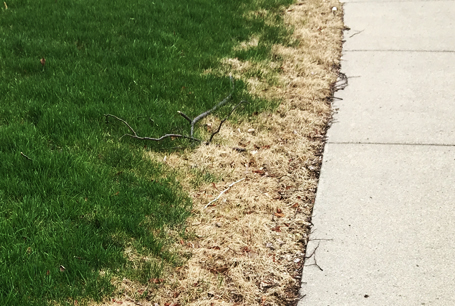
Salt runoff can cause turf near sidewalks and driveways to appear:
• Yellow
• Brown
• Burned or dead
Flushing affected areas with water and repairing turf through overseeding can help restore these areas.
Bare or Thin Patches
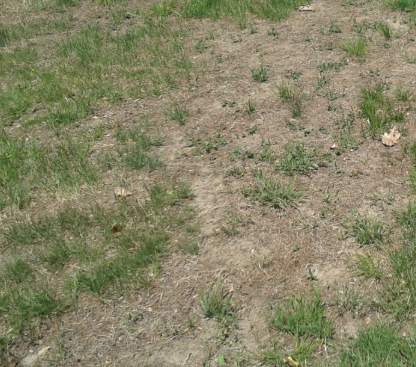
Areas that struggled through winter may require overseeding or soil improvements to restore density.
Bare spots allow weeds to move in quickly, so addressing these areas early helps maintain a thick lawn.
Early Spring Lawn Care: Where to Start
As your lawn wakes up, early spring lawn care focuses on prevention and recovery.
Here are a few key steps homeowners should focus on.
1. Light Raking & Debris Cleanup
Winter often leaves behind:
• Leaves
• Small branches
• Matted grass
Light raking helps lift the grass blades, improve airflow, and encourage new growth.
Removing debris also allows sunlight to reach the soil surface and warms the turf faster.
2. Pre-Emergent Weed Control
One of the most important lawn treatments in spring is pre-emergent weed control.
Pre-emergent products create an invisible barrier in the soil that prevents weed seeds like crabgrass from germinating. Timing is critical.
Applying pre-emergent before soil temperatures reach about 55°F helps stop weeds before they ever appear.
This keeps your lawn cleaner and reduces the need for aggressive weed treatments later in the season.
3. Early Season Fertilization
After winter, lawns need nutrients to rebuild root strength and encourage green growth.
Early spring fertilization helps:
• Improve turf color
• Stimulate root recovery
• Strengthen grass against weeds and disease
• Promote thicker turf density
At Teed & Brown, our lawn care programs are designed to provide balanced nutrients that support healthy growth without forcing excessive top growth.
4. Aeration and Seeding in Shady Areas
Light aeration helps loosen compacted soil and allows air, water, and nutrients to reach the root zone more effectively.
Targeted overseeding in these areas can help:
• Fill in thin patches
• Improve turf density
• Introduce newer, more resilient grass varieties
• Strengthen weak or shaded sections of the lawn
The key is to focus on problem areas rather than the entire lawn. Spot seeding paired with proper soil preparation and consistent moisture can significantly improve these sections as the growing season begins.
At Teed & Brown, we often evaluate lawns in early spring to identify areas where aeration or overseeding may help improve overall turf health before summer stress arrives.
Mowing Your Lawn in Early Spring
Once your lawn begins actively growing again, proper mowing plays a major role in turf health.
Keep mower blades sharp
Dull blades tear grass instead of cutting it cleanly, which can weaken plants and make lawns more susceptible to disease.
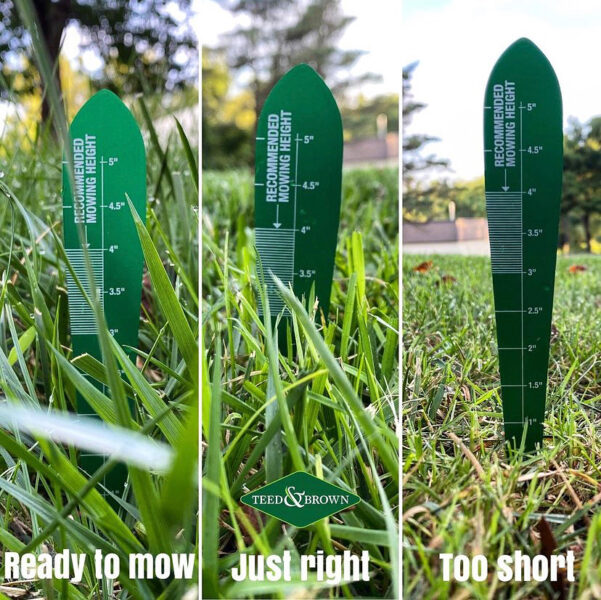
Avoid mowing too short
Cutting grass too short can stress the turf and encourage weeds.
For most lawns in the Northeast, we recommend mowing between: 3 – 4 inches
This height promotes deeper root growth and better moisture retention.
Leave clippings when possible
Grass clippings return valuable nutrients back to the soil and help support healthy turf growth.
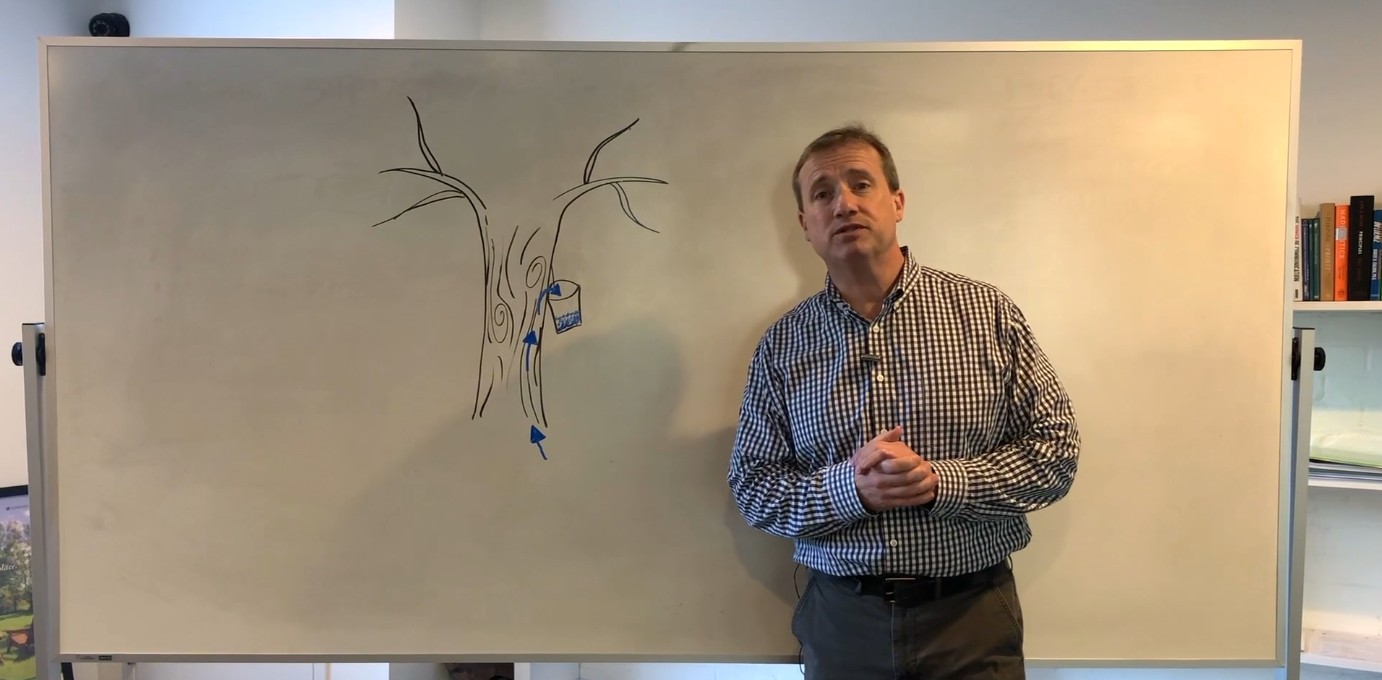
Understand the importance of these steps a little further with Christopher Brown by clicking on the link: WATCH ME
The Importance of Early Lawn Care
Spring is not just about making lawns look green again, it’s about building a stronger foundation for the entire season.
Proper spring lawn care helps:
• Reduce weed pressure
• Strengthen turf roots
• Improve drought resistance
• Prevent lawn diseases
• Create thicker, healthier grass
Lawns that receive early season care typically perform far better during the heat and stress of summer.
How Teed & Brown Helps Your Lawn Recover from Winter
At Teed & Brown, our lawn care programs are designed specifically for the conditions homeowners experience throughout Connecticut, New York, and New Jersey.
Our early season services focus on:
• Evaluating winter lawn damage
• Applying professional pre-emergent weed control
• Providing balanced fertilization
• Spot seeding and aeration
• Improving soil health
• Strengthening turf for the season ahead
With decades of experience caring for lawns throughout the Northeast, we understand how winter conditions impact turf and how to guide lawns into a successful growing season.
Click the link to get more information on your first application here: WATCH ME
A Strong Start Leads to a Better Lawn All Year
Your lawn is just waking up, and what you do now will influence how it performs throughout the year.
Addressing winter damage early and providing proper lawn care treatments ensures your grass can recover quickly and grow stronger as temperatures continue to rise.
If you’re noticing winter damage, thinning turf, or early weed pressure, this is the perfect time to take action.
With the right care and timing, your lawn can transition from winter stress to a healthy, vibrant green lawn this spring and beyond.
Related posts
Winterizer

Fixing low pH with Limestone